Content review with editorial judgment
Check a draft for AI-like patterns, then let an editor make the call. The result is evidence to review, not a verdict to automate.
Make the final review more deliberate
A polished draft can still be thin, poorly sourced, or disconnected from your publication’s voice. Use a detection result to focus an editor’s attention before publication, especially when work comes from outside contributors or moves quickly through the queue.
-
Add a consistent review step for articles, newsletters, and landing pages
-
Ask targeted follow-up questions when a passage needs context or sourcing
-
Keep the writer, editor, and reviewer aligned on what “ready to publish” means

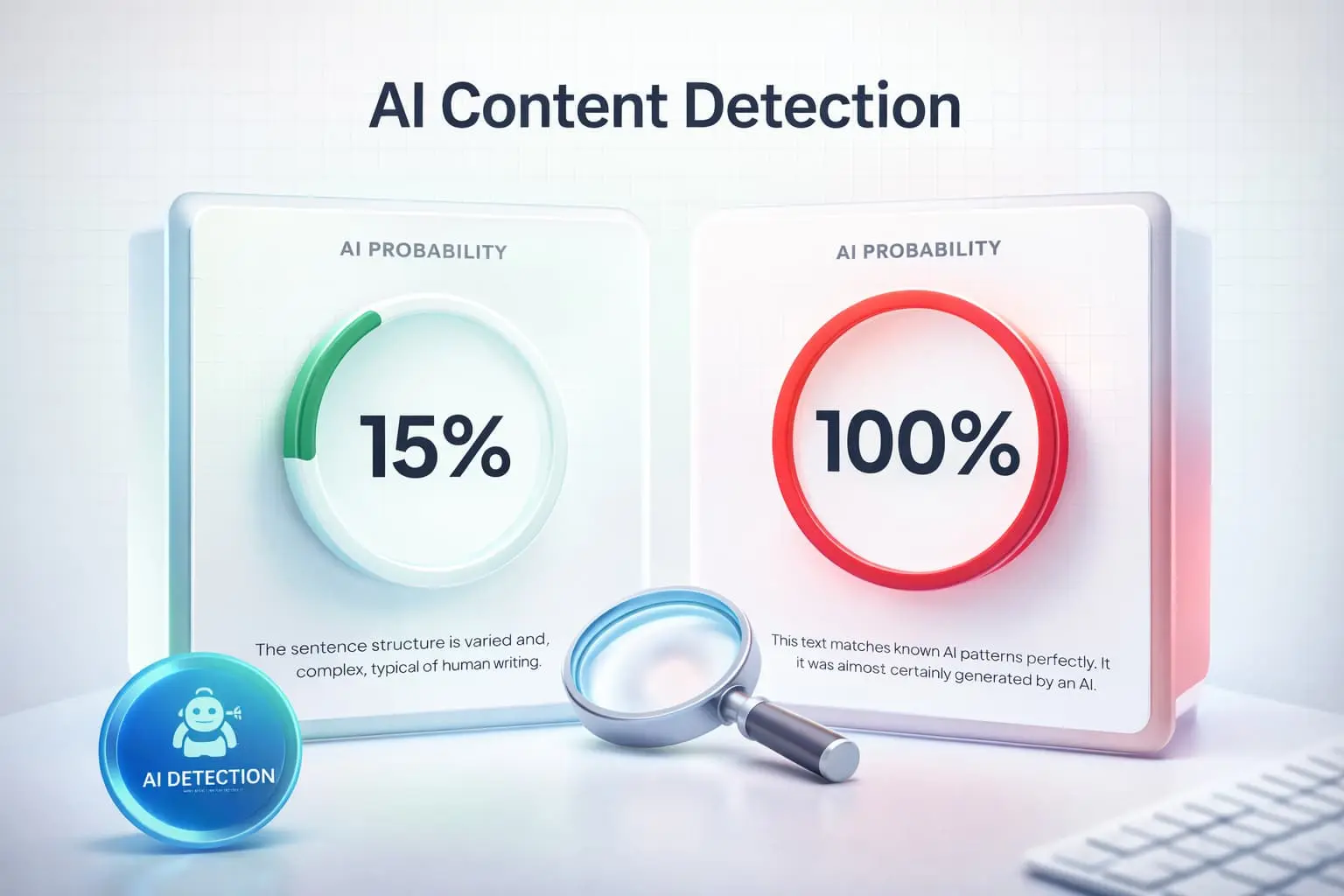
Read the result in context
Detection can surface passages worth a second look. It cannot verify facts, establish authorship, or replace an editor’s understanding of a subject. Short text, translated writing, formulaic copy, and heavily edited drafts all deserve extra care.
A review signal
Use marked passages to guide a closer human read.
Not proof
Never use one score as the basis for a publishing or personnel decision.
Why Content Verification Matters
Generative AI can produce a credible first draft quickly. That does not make the draft accurate, useful, or right for your audience. A practical review process asks who is accountable for the claims, whether sources are sound, and whether the piece says something a reader could not get from a generic summary.
A detector fits into that process as an early signal. Pair it with fact checking, a source review, revision history, and a named editor. This makes the workflow repeatable without pretending a score can settle a difficult editorial question.
Where it is useful
Content review works best for teams that already have a clear standard and need a reliable way to apply it across people, deadlines, and channels.
Marketing Teams
Review campaign copy against approved claims, tone guidance, and the source material behind it.
Publishers & Editors
Route contributor drafts through a documented review step before assigning a final editor.
Enterprises
Give distributed teams a shared starting point for reviewing externally produced material.
Agencies
Agree on disclosure, attribution, and revision expectations with clients and freelance partners.
How Verification Works
A short process that preserves human responsibility.
Check the draft
Paste non-sensitive text into the checker and wait for the analysis.
Inspect the signals
Read the overall result and the passages that deserve a closer look.
Make an editorial decision
Confirm facts, sources, and the writer’s process before approving or revising the piece.
Frequently Asked Questions
What is AI content review?
It is a pre-publication check for patterns that can appear in machine-generated writing. Use the marked passages to start a human review, verify sources, and decide whether the work meets your standards.
Can a detection score prove who wrote a draft?
No. Detection results are statistical signals, not proof of authorship or intent. Use them alongside source checks, revision history, and a conversation with the writer when a result needs follow-up.
Can I verify content from freelancers and agencies?
Yes. Use the checker as a consistent first review step for supplied drafts. Share the policy with contributors in advance and give them a clear way to explain their process.
What should I avoid submitting?
Do not submit confidential, personal, or otherwise sensitive text. Submitted text is sent to the detection service for analysis. Review the privacy policy and contact the team before designing a workflow for sensitive material.